

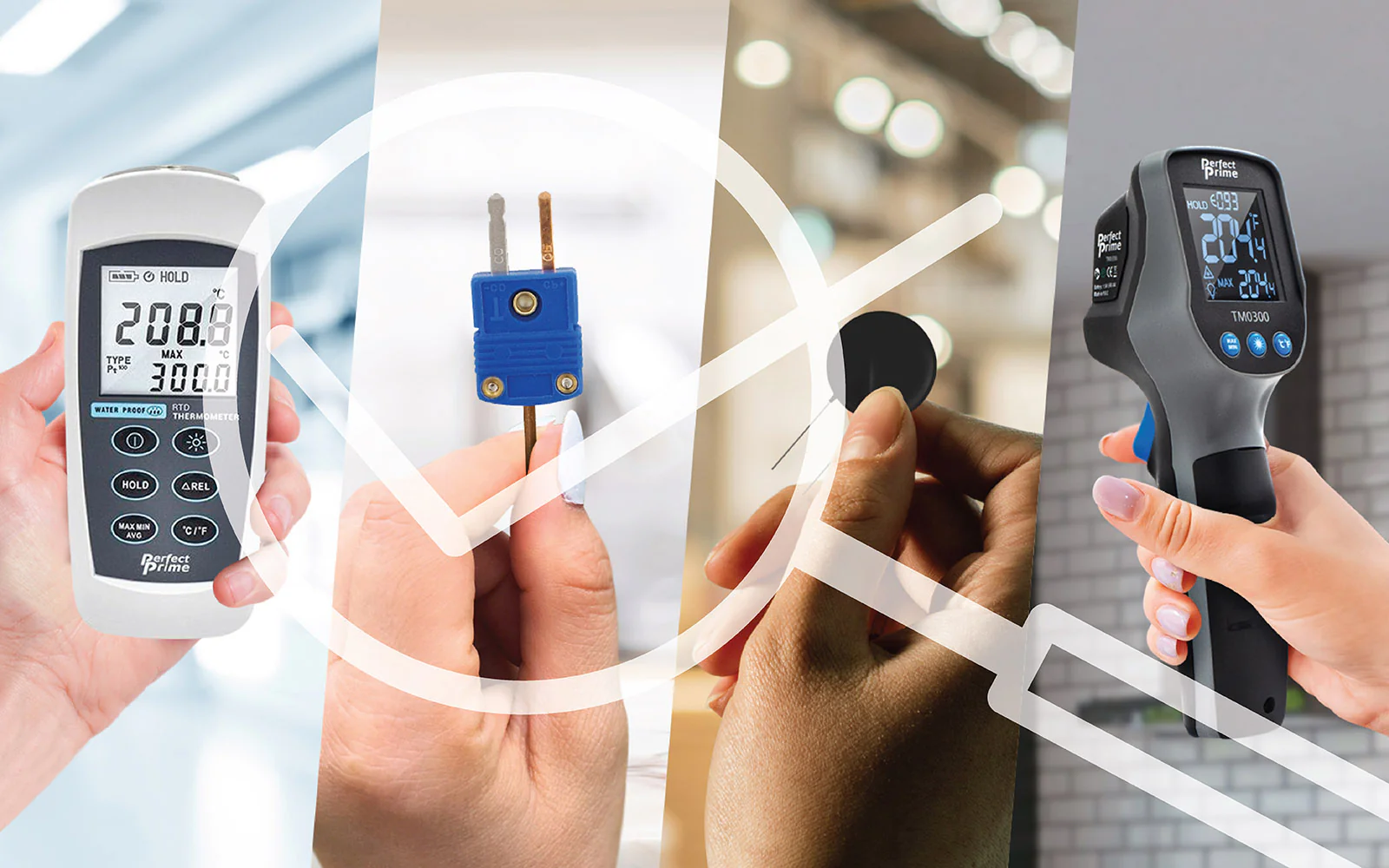
Temperature monitoring is essential in a wide range of industries, from manufacturing and healthcare to energy management and environmental monitoring. Accurate readings are crucial for ensuring operational efficiency, safety, and quality control. Thermal IR sensors have emerged as a reliable technology for non-contact temperature measurement, providing fast and precise data without interfering with the object being measured. Understanding how thermal IR sensors work and the factors that influence their accuracy is key for businesses and professionals who rely on precise temperature monitoring.
Thermal IR sensors detect infrared radiation emitted by objects and convert it into temperature readings. Every object with a temperature above absolute zero emits infrared energy, which thermal IR sensors can capture. These sensors are particularly useful for monitoring surfaces that are difficult to access or too hot for direct contact measurement. By providing a non-invasive way to measure temperature, thermal IR sensors enhance safety and efficiency in industrial, commercial, and laboratory environments.
Principles Behind Thermal IR Sensor Accuracy
The accuracy of a thermal IR sensor depends on several factors, including sensor calibration, emissivity, and environmental conditions. Emissivity is a measure of how effectively a surface emits infrared radiation and varies depending on the material and surface finish. Thermal IR sensors must be configured to account for the emissivity of the target surface; otherwise, readings may be inaccurate.
Calibration is another critical factor. High-quality thermal IR sensors are factory-calibrated and often include options for on-site calibration to ensure long-term accuracy. Regular calibration checks are essential for maintaining reliable readings, especially in environments where precise temperature control is necessary.
Environmental conditions, such as ambient temperature, humidity, dust, and airflow, can also influence sensor performance. Thermal IR sensors may require shielding or compensation algorithms to account for these factors, ensuring that measurements reflect the true temperature of the target rather than the surrounding environment.
Industrial Applications and Accuracy Requirements
In industrial settings, thermal IR sensors are widely used to monitor machinery, process temperatures, and production lines. Accurate readings allow operators to identify overheating equipment, detect process anomalies, and maintain quality standards. For example, in metal fabrication or plastic molding, even minor temperature variations can affect product quality. Using a thermal IR sensor helps maintain consistency, reduce defects, and minimize waste.
Power generation and chemical processing industries also rely on thermal IR sensors for accurate monitoring. Boilers, turbines, and chemical reactors must operate within precise temperature ranges to ensure safety and efficiency. Thermal IR sensors provide real-time data, enabling operators to make immediate adjustments and avoid costly downtime or hazardous situations.
Healthcare and Medical Applications
Thermal IR sensors have gained prominence in healthcare, particularly for non-contact temperature measurements. Medical professionals use these sensors for patient monitoring, detecting fever, and screening for infections. The accuracy of a thermal IR sensor in these applications is critical, as incorrect readings can lead to misdiagnosis or delayed treatment.
Advanced thermal IR sensors designed for medical use incorporate high-resolution detectors, precise calibration, and software algorithms that compensate for ambient conditions. These features ensure that temperature readings are both fast and reliable, supporting effective patient care without physical contact.
Environmental and Energy Monitoring
Thermal IR sensors are also used in environmental monitoring and energy management. They detect heat loss in buildings, identify insulation gaps, and monitor energy efficiency in industrial systems. Accurate thermal readings allow engineers to assess energy consumption, optimize heating and cooling systems, and implement corrective measures to reduce waste.
In outdoor or variable environments, thermal IR sensors must account for factors such as solar radiation, wind, and humidity. Proper sensor placement, calibration, and configuration are essential to maintain measurement accuracy and gather meaningful data for energy audits or environmental assessments.
Factors Influencing Sensor Accuracy
Several key factors influence the accuracy of thermal IR sensors. Sensor quality, including detector resolution, response time, and spectral sensitivity, directly affects performance. Higher-resolution sensors provide more detailed thermal images and allow for precise spot measurements, which is essential for critical applications.
Emissivity settings must be properly adjusted for different materials. Shiny or reflective surfaces, for example, can reduce the accuracy of infrared measurements if not correctly configured. In some cases, applying coatings or using specialized measurement techniques may improve accuracy.
Distance and field of view also play a role. Thermal IR sensors have optimal measurement ranges, and readings can be affected if the target is too far away or if the field of view includes surrounding areas. Selecting a sensor appropriate for the application and understanding its limitations ensures reliable performance.
Ensuring Reliable Thermal IR Sensor Performance
To maximize accuracy, it is important to follow best practices when using thermal IR sensors. Regular calibration, proper configuration of emissivity, consideration of environmental factors, and correct sensor placement are all critical. Manufacturers often provide guidelines and software tools to assist users in achieving optimal accuracy.
Training personnel on the proper use of thermal IR sensors is equally important. Understanding how to interpret readings, recognize potential sources of error, and maintain equipment ensures that temperature monitoring remains precise and dependable over time.
Thermal IR sensors provide a non-contact, efficient, and versatile solution for temperature monitoring across multiple industries. By understanding the principles that affect accuracy, including emissivity, calibration, environmental conditions, and sensor specifications, businesses and professionals can rely on these devices to deliver precise, actionable data.
Accurate thermal IR sensors enhance operational safety, product quality, energy efficiency, and environmental monitoring. Commercial and medical applications alike benefit from their ability to deliver rapid, reliable temperature measurements without interfering with the target object. The implementation of best practices and proper sensor management ensures that thermal IR sensors remain an indispensable tool for accurate temperature monitoring in modern industrial, commercial, and healthcare settings.
